 +91 95585 56622

Artificial intelligence (AI) is causing major changes in the professional world, and the accounting industry is no exception. Instead of being limited to traditional bookkeeping or auditing, accountants are now strategic partners enabled by intelligent technology.
What impact does AI have on employment, skills, and the expansion of the accounting sector as a whole? This change raises the crucial issue. Let us explore how AI is further impacting this industry and shaping the future of the profession.
Data has always been important to the accounting industry, but AI elevates data management to a new level. Machine learning is utilised by AI-powered accounting programs, such as Xero, QuickBooks, and Sage Intacct, to simplify complex processes like tax compliance, reconciliation, and cost classification.
In the UK, many mid-sized and large firms have already begun adopting AI tools to stay competitive. Over the next several years, around 80% of accounting companies want to invest in AI-based technology, according to industry sources.
This progress is about improving the skills of experts and providing more value to clients, not just about replacing physical work.
Businesses that are seeking to enhance customer satisfaction and streamline other processes can benefit from AI in several ways.
AAI reduces human errors by performing computations and reconciliations accurately and efficiently. As a result, financial statements acquire credibility.
By accelerating work completion, automation frees up accountants’ time for business development, tax planning, and customer consulting.
Automating tasks enables accountants to complete them more efficiently, freeing up their time for customer consultations, tax planning, and business development.
Using machine learning algorithms, artificial intelligence (AI) may detect cost inefficiencies, predict revenue trends, and even spot potential financial risks before they become significant.
AI facilitates adherence to evolving accounting and tax regulations. For openness, it may also automatically generate audit trails.
Businesses may take on more work with the aid of AI technology without having to increase their budgets or workforce numbers. Small and medium-sized businesses can expand and grow more readily due to their scalability.
Notwithstanding its advantages, there are drawbacks to using AI in accounting.
When AI systems handle sensitive financial data, worries about data security and regulatory compliance surface. Companies need to make sure that their systems adhere to the most stringent cybersecurity regulations.
Accountants run the risk of becoming unduly reliant on AI technologies, which may impair their ability to apply traditional accounting judgment and analytical thinking.
This tool can identify financial irregularities; moral judgment is still required when determining how to respond to them. Accountants have to strike a balance between professional ethics, personal integrity, and technology.
Training employees and making the initial investment in AI software can be costly for small businesses. However, over time, it often leads to increased productivity and expansion.
AI integration in accounting requires a new set of skills. Although mathematics and other traditional skills are still valuable, they must be complemented by technical expertise and strategic thinking.
To succeed in an AI-driven society, accountants will need to possess the following vital skills:
.
It will become essential to understand AI platforms, cloud-based accounting software, and robotic process automation.
Working with big datasets must come naturally to accountants. If they understand analytics tools, they can extract useful insights from complex financial data.
AI is capable of handling data, but it cannot replace human empathy or judgment. Professionals who can convert complex data into actionable insights will be in high demand.
Accountants need to understand how to protect private information from Internet threats as financial data becomes increasingly available online.
To remain competitive, accountants must continually improve their skills through professional development, certifications, and ongoing training, as technology advances rapidly.
Artificial Intelligence is a development opportunity rather than a danger. AI can boost the efficiency of accounting businesses by as much as 40%, according to research by the
More automation means that accountants will have more time to offer value-added services such as:
The field of accounting is evolving from a transactional to a strategic focus. Businesses will gain a competitive advantage and attract a new generation of tech-savvy accountants if they adapt early.
AI will also make financial data more accessible, enabling individuals and small businesses to make informed financial decisions. AI is democratising financial intelligence in this way, in addition to altering the sector.
Artificial intelligence is transforming the accounting sector by automating monotonous tasks, enhancing accuracy, and enabling accountants to transition from mathematicians to strategic thinkers. Many new professions centred on analysis, innovation, and digital transformation are growing, even if certain job categories may perish.
To stay current, accountants must embrace technology and adapt to changing circumstances while maintaining the moral and analytical foundations of their profession. AI is not meant to replace accountants; rather, it is meant to support them.
No. While AI will automate repetitive tasks, it cannot replace human judgement, moral reasoning, or customer service. The role of accountants in analysis and strategic decision-making will remain vital.
Via studying AI software, data analytics, and digital technologies, and by emphasising ongoing professional growth. Additionally, soft skills such as advice, knowledge, and communication will be essential.
While jobs requiring research, consulting, and strategy are becoming increasingly common, data entry, bookkeeping, and basic audit duties are most affected.
Yes, if done correctly. Reputable AI platforms adhere to strict data encryption and compliance standards; however, accountants must remain vigilant about cybersecurity.
The most significant advantage is efficiency — AI saves time, enhances accuracy, and allows professionals to focus on value-added services that drive business growth.
When people think of global accounting hubs, they often envision cities like London, New York, or Singapore. Over the last decade, in a small village in Kerala, international recognition has led to a high path.
With remarkable adoption, the Enrolled Agent (EA) course is recognized by the U.S. tax certificate. There are secure career opportunities globally that involve skill-driven education. The international certification revolutionizes the uplift of families and rural economies, redefining aspirations.
The Enrolled Agent (EA) is a prestigious federal tax credential awarded by the Internal Revenue Service (IRS). The designation holders are authorised to represent taxpayers before the IRS, which includes collection, audits, and appeals.
The CPA (Certified Public Accountant) holds a state-specific license based on the EA credential. The certification is based on U.S. states to manage flexibility with international taxation.
The CPA course consists of three parts of the Special Enrollment Examination (SEE):
Suppose a village in Kerala, Edavanakkad, became a symbol of transformation through its agricultural plans. The limited industries deal with the young graduates to manage unemployment.
EA training centres change everything based on the major plans, such as:
The village became part of the US tax expertise with traditional accounting.
Kerala has consistently earned a reputation for its global outlook and educated workforce. Many candidates deal with populations who are working abroad. Here are some challenges:
The EA course offers some practical solutions based on:
Transformation of the Women at the Forefront The powerful impact of the EA course in Kerala’s village on women’s empowerment. Most of the women pursue teaching while unemployed. This can help maintain social constraints. The online EA training with remote job opportunities is based on the following:
After completing the EA course, candidates from Kerala began exploring diverse pathways in global careers.
The EA course transforms the collective impact on the village outcome:
This model is the blueprint for rural development through skill-based education.
The enrolled agent challenges the conventional career preferences in India. This can help in managing the following job roles:
There are some hurdles or barriers in the career of accounting, such as:
Success stories are emerging every year in Kerala and other Indian states. For managing the global hub of U.S. tax outsourcing, international accounting services are based on precise analysis and data-driven insights. The future possibilities are as follows:
The story of the village in Kerala illustrates how local talent, global connections, and digital platforms contribute to sustainable development.
The Enrolled Agent course was not so famous eight years ago in rural India. Today, this course has turned a Kerala village into the symbol of global accounting excellence. By managing the local village’s equipment, international skills are needed to uplift the community.
The success story highlights the broader reality of global educational opportunities. The power of transformation is particularly relevant to the rural economy. In the Kerala village, the international accounting replicates the model of global certification.
It takes about 6-12 months to complete the EA course.
The global outlook, high literacy in Kerala, and demand for international career opportunities are factors in EA.
The EA falls under the federal tax that is authorised by the IRS, which allows professionals to look after the tax matters in the US.
EA course is specialised in US taxation to maintain high value for the international tax careers. CPA and CA cover a broader range of accounting to manage the value of an international tax career.
Yes, the EA course has helped many women in Kerala to get flexible remote jobs. This course helps build an international career and financial strength.
Yes, an EA-certified course helps professionals earn a competitive salary. This also benefits multinational firms and US clients.
An EA course can help you get a job in US tax firms, Big Four firms, outsourcing companies, and independent tax consultants.
Yes, EA-certified professionals in India earn a competitive salary. Working with the US clients can help you earn well in India. So, you should choose this course. To maintain stability in your career, you can manage it. Not only in Kerala, but this course has also helped other states in India.
India embarked on an ambitious project to manage its history. The introduction of the GST simplifies the complex web of taxation, similar to VAT. There are other components, such as service tax and excise duty, which are part of GST.
Eight years later, GST has transformed the taxation, economy, employment landscape, and accounting framework. In this article, we discuss the impact on India’s tax system. In the accounting job market, taxpayers highlight both the challenges and the achievements that remain.
Several aspects are involved in GST accounting. Have a look at the following ideas:
The primary objective of GST is to broaden the tax base. It reduces tax evasion. These types of things can measure the following aspects:
GST has introduced transparency in tax reporting. The digital-first approach reduces the opportunities for manipulation by raising the necessity. If you manage the requirement, it can help in dealing with the business plans.
Before the introduction of the indirect tax structure in India, the multi-layered and fragmented system was based on the Value Added Tax (VAT). Some tax rules are based on service tax, excise duty, and other levies. Businesses are based on several key points that create a cascading effect on taxes. With the GST based on the entire framework, on the following:
Uniformity is achieved by reducing disputes over overlapping taxes and conflicts between states. In the Indian single market, you should boost interstate commerce.
GST tax and business are based on a double-edged sword. The tax condition eliminates the hassle of paying state-specific returns and multiple taxes by dealing with the check-post and border. On the other hand, the tax compliance under the GST requires the business to deal with the following aspects:
The big companies adopt the ERP systems for small and medium-sized enterprises (SMEs), which can facilitate the government support. It is also based on the digital compliance with the smooth transition.
Consumers experience significant changes due to the introduction of the GST. The cascading effect on taxes reduces with the tax burden on services and goods. This is predictable with the low tax rates. Here are some examples:
Despite initial disruptions, GST has shown significant consistency, crossing the ₹1.5 lakh crore mark. This reflects expanded economic activity and better compliance with various activities. This is stable with the revenue stream that is allowed for the government to manage the following factors:
The stable revenue stream allows the government to manage various functionalities as follows:
The most profound effects on GST that is based on finance and accounting jobs in India. Have a look at the roles:
There are some essential job roles, such as Cost Accountant, Chartered Accountants (CAs), and tax consultants, that require reskilling for relevance in the GST era. Knowledge of software tools, GST law, and data analytics is a crucial component of a business.
The complex compliance with GST is based on the professional skills that are based on the following:
From accounting and commerce graduate students, GST opened up new opportunities with GST executives. Compliance officers are responsible for managing reporting and filing.
GST compliance is a key component of digital accounting, utilizing expertise in SAP, Tally, QuickBooks, Zoho Books, and GST-specific software, which is in high demand now.
GST is transformational. But there are some critical challenges as follows:
These issues underscore the need for ongoing improvement in GST implementation.
GST influences the way some accountants manage the entire business workforce. Have a look at the positive impacts:
Thus, GST spurs the job creation to reshape professional skills properly.
The most significant contribution of GST is its push towards India’s digital-first tax ecosystem. Here are factors that lie with the digital transformation, such as:
Digitization is based on the Indian tax system to manage the modern, efficient, and data-driven dependency with manual processes.
If you are looking ahead to the GST, this can move further with the following terms:
A transparent, modern, and digital tax system facilitates the maturity of GST.
After eight years of GST, India has managed to creates a uniform, transparent, and digitally advanced taxation landscape. To manage frequent changes and ensure compliance, it is essential to restructure the accounting roles and responsibilities. Every department needs to pay tax and meet various challenges. It can be solved with the help of legal rules.
GST was introduced on 1st July 2017. It involved replacing multiple indirect taxes with a unified tax system.
GST simplified taxes in some businesses with digital filing with the help of the government.
Yes, GST collection has increased the revenue of both the states and the centre to manage accounting.
GST has introduced e-invoicing, online filing, and e-way bills for pushing the business towards digital compliance. This can help maintain manual intervention.
GST created demand for compliance, professional skills, auditing, filing, and software tools transformation. It is the fundamental part of the tech-driven field.
The future of GST includes simplified returns for tax management of alcohol and petroleum. The deeper integration of technology improves compliance and reduces fraud.
Over the past decade, India has become the hub for global talent in managing various information with technology. The business process outsourcing and customer service work with the venture of the new career wave that is emerging soon. The finance and accounting jobs are among the most significant opportunities for Indian students.
The Indian government has set the global accounting standards with the involvement of the world’s most powerful auditing companies. The ‘Big Four Mission’ has become one of the hottest topics in the professional world. If you want to grow your career in auditing and finance, this is the right time to pay attention.
The Big Four Mission refers to the strategy of the Indian government. This can help you boost the global accounting and auditing by partnering with the Big Four companies as follows:
These companies dominate the global taxation, auditing, and consulting markets. Supporting the Indian talent can help in raising the hopes of the two main goals as follows:
The goal focuses on training, education, and skill-building. This ensures the Indian accountants are eligible to meet the international standards, such as International Financial Reporting Standards (IFRS). This educational value supports the local requirements.
The Big Four Mission is not only about the jobs, but it also transforms the economy of India. Have a look at the importance:
The students can be at the center of the revolution after pursuing an MBA, B.Com, ACCA, CPA, and CA. Most of the opportunities are centered on the mission. This is based on the education of the students. Have a look at how the opportunities are offered:
The Indian accountants are working on more international projects. This decision allows the students to work with global clients. They can work both in India and abroad.
The big four companies are recruiting thousands of Indian graduates every year. There are some jobs provided by the companies, such as:
The primary mission emphasises the skills in technology such as blockchain, AI, and data analytics in finance. The students are trained in various areas that are in high demand.
The students can expect structured training in U.S GAAP, IFRS, and global work. This standard made the Indian accountants a valuable worldwide program.
Some international projects are based on the salaries of accounts to meet the rise. For various growth terms, there are some traditional bookkeeping roles with better-paying jobs.
The Indian government encourages the Big Four functionalities, such as the reform of accounting education and policies. There are some essential steps as follows:
Traditionally, the Indian accounts have limited functionalities on bookkeeping, tax filing, and statutory audits. There are a few things that are changing with the Indian accounts, such as:
With the help of this shift, the students prepare in various ways. The knowledge gained from textbooks is not enough because internships and practical training are essential. The exposure to real-world cases helps the students achieve success.
If you want to manage the advantages as per the revolution, you may start building balanced skill sets. Have a look at the essential skills that the students should have:
The Big Four Mission is the massive offers that come with various challenges for the students:
You may follow the important steps to accomplish goals and reach the competition.
The Big Four Mission is the bold step to become the global leaders in finance and accounting. Some students should have access to new opportunities with international exposure, higher salaries, and skill-based careers. It may help in preparing the digital and technical knowledge. You may choose a platform like Munimji for future accounting jobs in India.
The students will get job opportunities with better pay, global exposure, and advanced skill development.
The platform, like Munimji, can provide education on skill development, accounting, and other things to reach a global career.
Yes, the professionals in India can work with international clients by relocating abroad.
If you are an Indian student who is thinking about increasing your chances in accounting, then you can think about an interesting course. You may have heard about the Association of Chartered Certified Accountants, the most prestigious qualification in finance and accounting. More than 240,000 students in various countries can choose this course. ACCA has become a worldwide passport in the accounting profession.
Now, what do you know about the ACCA prediction for 2025, and how can you work with the prediction? This action can affect the accountants and students. In this article, you will know about skills, challenges, and opportunities that an accountant needs to succeed.
Before knowing about the 2025 predictions, you should understand why ACCA has become popular in India. Have a look!
India is turning into the hub of global finance. ACCA offers Indian students the opportunity to work with a bigger international workforce.
Every year, ACCA publishes new insights for the professional accountant who evolves correctly. These types of predictions are based on employer surveys, global research, and economic trends. When we talk about the prediction for 2025, the focus is on globalisation, technology, future skills, and sustainability. Let us explore every prediction for the Indian accountants:
The ESG (Environmental, Social, and Governance) report is growing globally. The investors want to tell you about the company’s profit with sustainability. ACCA predicts that accountants will play an essential role in ESG reporting by 2025.
The Indian companies that are working with the U.S. and European clients will need accountants who can prepare the sustainable reports. This action creates new career opportunities for the ACCA-qualified professionals in auditing, consulting, and corporate governance.
The main prediction of ACCA is about digital finance. Digital finance will dominate the job of accounting professionals in the future. The skills are as follows:
These professions will not be available in the future. This will be the basic requirement for accounting jobs. These professions will be the basic requirements for the accounting jobs.
Suppose you are preparing for ACCA in 2025, along with passing the examination. In that case, you should also learn digital tools such as Power BI, Excel, and SAP, which are required for multinational companies in India hiring accountants. This can help in analyzing the data and managing the business support decisions. This can easily help in preparing the basic accounting reports.
By 2025, ACCA expects most companies to hire remotely across borders. The ACCA-qualified accountants in India can work with US and UK companies without giving up their Indian citizenship.
Do you know why it matters for Indian students? The living cost in India is low, so the international companies can save money by paying Indian accountants a good salary. The opportunities will be available for both remote and on-site job roles. The students with ACCA have a global mobility advantage compared to other local qualifications.
Gone are those days when the accountants used to focus on the bookkeeping. The ACCA predicts that from 2025, employers may prefer the combination of financial knowledge that is based on the following:
When the students are studying ACCA, they should know how to develop soft skills in teamwork, communication, and problem-solving. The Indian employers ask about the accountants to manage the business insights with the numbering style.
The economy of India is growing faster, with global companies setting up shared services in cities such as Hyderabad, Bangalore, and Pune. ACCA predicts that India will become the best global hub for financial outsourcing in 2025.
This action will impact the Indian accountants. The professionals will have access to thousands of new jobs related to taxation, auditing, and financial reporting. The CCA-qualified professionals have a clear edge in the international recognition of local degrees. The salary levels for ACCA members may increase the demand in 2025.
According to the prediction of ACCA for 2025, here are the promising fields for Indian accountants as follows:
This is not easy to shine in your dream career without facing any challenges. So, have a look at the challenges that Indian students may face in the future.
There are some practical tips for students starting ACCA. Have a look:
After gaining the ACCA qualification, the accounting industry offers an excellent opportunity for pursuing a career abroad. If you get a scope in learning accounts with the qualification of ACCA, then you can easily get a promising career.
Yes, the Association of Chartered Certified Accountants is recognized worldwide for accountants who want to grow their careers abroad.
Yes, ACCA will be more relevant and globally in demand in 2025 under the worldwide accounting standards. The subject falls under sustainable reporting expertise and digital skills.
The ACCA-qualified students are eligible for various professions such as sustainability reporting, auditing, consulting, fintech, global outsourcing firms, and forensic accounting.
The students should focus on gaining practical experience, finance tools, staying updated, and improving soft skills as per ACCA’s global research.
Yes, with the increasing demand, the ACCA members in India expect to grow with the outsourcing centers of the multinational companies.
Studying accounts and finance-related subjects can lead to a promising career for Indian students if they choose the United Arab Emirates (UAE) as the destination for their education. With the help of the ambitious development, booming economy, business-friendly policies, and multiple free zones, it has emerged as a primary magnet for international talent in the field of taxation and accounting.
The UAE is a tax-free hub for individuals who want to deal with the modern tax system globally. These types of changes create professional excitement in the exciting career pathway of Indian accounting students.
To understand the UAE tax system, you should go through some essential elements as follows:
As of June 1 (2024), the UAE has a federal corporate tax at a rate of 10% that is applied to exceeding AED 375,000 (USD 102,000). The below profit is the threshold that is taxed at 0% by offering relief for the in-zone enterprises and small businesses.
This type of move helps in making a significant shift in the financial policy of the UAE. This also opens up a thriving niche for corporate tax planning and structuring.
No Personal Income Tax The most attractive features of the professionals are the rules of no personal income tax in the UAE on wages and salaries. This is applicable for both expatriates and UAE nationals by making the in-hand salary higher compared to other countries.
There is a 5% VAT that is implemented in 20218. This covered a wide range of services and goods. For the business meeting, the turnover threshold is registered under the ensured compliance and filing of periodic returns.
Every student has a dream to fulfill their career goals and have a promising future. Now, sometimes they need to relocate to advance their careers. Here are some reasons why accounting education is profitable for Indian students:
With the help of evolving companies, the tax landscape, especially real estate, international, logistics, hospitality, and fintech, needs tax professionals who understand:
Indian accountants are firm in technical areas like ACCA, CA, CMA, etc.
The UAE is the global crossroads for accounting professionals who work with clients across Africa, the Middle East, Asia, and Europe. This action allows exposure to international finance and rapid upskilling.
Due to the absence of professional and personal income tax to remit the share and earnings. The starting salary for auditors or entry-level tax ranges from USD 25,000 to USD 35,000 per year. Depending on the expertise and the organisation.
The UAE professionals recognise the global certificates CMA (US), ACCA, and CPA. These can enhance the growth trajectories and credentials, whether they are aiming for financial controller, tax advisory, or CFO roles.
There are some cities, such as Abu Dhabi and Dubai, that host international accounting firms such as PwC, Deloitte, KPMG, and EY. This type of ecosystem offers jobs and other elements such as career ladders, collaboration, and mentorship.
Various key roles are ideal for accounting professionals in the UAE. Let us check the job roles for the commerce students:
Get advice on business structuring in the free zones. You can get advice on the free zones with the tax implications.
The role of a tax analyst is to calculate taxable profits, ensure alignment with the UAE, and manage tax provisions with double taxation agreements.
The VAT support helps employers or clients navigate VAT in supplies and cross-border services. These professionals handle VAT returns, VAT registration, exemption assessment, audits, and compliance.
The compliance officer ensures tax and financial reporting to local and IFRS regulations. The regulatory bodies work with auditors.
The structural advice for acquisitions, mergers, and joint ventures.
You can oversee full-spectrum finance operations that deal with forecasting, budgeting, and tax provision with internal controls.
To accomplish in your career, you can cultivate some certifications and knowledge, such as:
Going through the ultimate guide can help you manage financial accounting, taxation, corporate finance, and audits. The students can engage themselves in various internships and workshops that are ideal for multiple firms.
Here are some guidelines for the students:
| Role | Typical Starting Salary (USD per year) |
|---|---|
| Tax Consultant (entry-level) | $30,000 – $40,000 |
| VAT Specialist/Analyst | $25,000 – $35,000 |
| M&A / Corporate Tax Advisor | $50,000 – $70,000+, depending on expertise |
| Finance Manager/Controller | $40,000 – $60,000+ |
The students may face various challenges in education and jobs in foreign countries. Here are some challenges and ways to overcome them.
Many professionals are applying for the job but are not getting it. You can pair technical excellence with the specifications of the UAE.
The UAE tax system is evolving in the market. The students should stay updated via professional bodies, government portals, and continuing education.
ACCA and CA (Indian) are the mainstream, and they can ensure relevance and equivalence with UAE-focused supplemental certifications.
The multicultural and multinational teams dominate with cultural adaptation. You can embrace the openness, flexibility, and professionalism.
You can evolve with the tax landscape, the corporate tax introduction, and capable tax. For Indian students with strong accounting foundations (ACCA and CA), this can be a prime opportunity.
The UAE professionals present the global market with accounting students who aim for finance and tax roles. The tax-free analytical skills can secure tax-efficient roles with VAT compliance. The UAE exposure deals with the global business. This can ensure learning and rapid growth.
About 10% of taxable profit is above AED 375,000 per year (approx. USD 102,000) with profit and threshold.
There are some typical roles such as:
The entry-level roles start at USD 25,000-35,000 per year. The mid-level managerial roles range between USD 40,000 and 60,000.
The IFRS and taxation deal with the coursework on basic functionalities. The key challenges involve stiff competition for deals based on soft skills.
Nowadays, the global firms (primarily U.S.) are turning to India for their accounting talent. So, this shift is rising costs, reflecting a global talent shortage, managing flexibility, and focusing on technological efficiency.
CPAs and accounting are under increasing pressure. The talent shortage, rising operational costs, and strict deadlines make it hard to stay competitive in the industry. Outsourcing is a cost-saving option that streamlines multiple operations. So, India has become the chosen destination for outsourcing bookkeeping and accounting services. Global CPA firms can save money by outsourcing their work to India. For commerce students in India and globally, understanding the reason for the shift can open the doors to informed planning and global careers.
India has built the largest accounting workforce in the world. According to the BPO Journal, the Institute of Chartered Accountants of India (ICAI) currently has over 430,000 active chartered accountants (CA). This is making the largest body after AICPA in the U.S. The ICMAI has 98,500 active members and about 750,000 students who receive training.
India is producing thousands of CAs annually for finance and CA graduates. There is a deep pool of talent that exceeds 1 million per year. According to The Times of India, ICAI’s president announced in June 2025 that India will need about 5 million new CAs by the end of 2050. This step will meet the global and domestic demands. Moreover, they are launching AI-focused training tools like CA-GPT.
The U.S. Bureau of Labor Statistics reported that 1,562,000 auditors and accountants were employed in 2023, and in May 2024, the wage reached $81,680. The projection of employment was planned to grow 6%, which is faster than average.
The number of active accountants declined roughly 10% between 2019 and 2024. This was shrinking the U.S. pipeline for mid-level staff and new entrants. As per Reuters, the U.S. accounting firms ask for help from India to provide new talent from their country.
Currently, according to Data USA’s report, about 1.171 million auditors and accountants, with a projected growth of 5.85% over 10 years.
There are some reasons that India is the best place for accounting and a preferred destination for countries worldwide. Here are some reasons:
The OCR invoice processing, A-Driven reconciliation, and RPA automation engines are the fruit of Indian technology, which is the reason global countries are connecting with India.
According to Deloitte, about 60% of enterprises outsource the accounting and finance functions. Over 50% of accountants are outsourced to India. Indian accounts have grown the global FAQ market, according to industry estimates and KPMG. The global market for outsourced services is projected to reach USD 81.25 billion in 2030. India has always remained the dominant destination for managing talent, cost, and infrastructure.
The domestic and professional services market, including advisory, audit, and compliance services, is estimated at USD 19 billion by 2030. The technology-enabled and digital services comprise over 55%.
India’s institutional environment supports the future growth of the commercial market. The National Skill Development Corporation (NSDC) falls under the Ministry of Skill Development and Entrepreneurship. This may promote the funds with scalable skills and vocational training programs.
According to the Economic Times, the government of India launched Pradhan Mantri Kaushal Vikas Yojna (PMKVY) to train millions of people to get secure jobs. This scheme has created training sessions for youth with vocational credentials. SEBI, RBI, and NFRA continue to strengthen ESG reporting. Audit standards and fraud analytics are also increasing assurance services and forensic accounting.
In April 2025, U.S. companies like Moss Adams, RSM US, CohnReznick, and Sikich will have expanded various operations in India to fill the talent gap in the U.S. The RSM plans can grow with the Indian headcount from ~2,000 to over 5,000 by 2027. There are some famous Indian companies, such as EY, Deloitte, PwC, and KPMG, that collectively have employed 140,000 professionals in India for delivering tax, audit, and work based on digital finance. India is hosting about 1650 Global Capability Centres that will deliver USD 50 billion in FY 2023 to 2030.
The commerce students plan careers in the current landscape of accountancy. In the current landscape, the global career pathways are being used to recruit staff directly on the campus of India. You will find most of the CMA, ACCA, and CPA professionals and the firms that sponsor them with U.S. visa support for foreign studies and work. These professionals are found in Pune, Chennai, Hyderabad, Bangalore, Delhi, and Mumbai.
The residential internships at Indian GCCs expose the students to GAAP, the tax system, IFRS, AI tools, and cloud systems in the U.S. There are various technical skill developments that the professionals deal with in the accounting software, such as SAP, QuickBooks, Tally, IDRS, GAAP, cloud systems, and tax systems.
According to the BPO Journal India, the global firms manage data security risks that are certified with ISO 27001, SOC 2, rigorous internal control, and legal agreements. To manage the quality control, the firms apply regular audits and SLA-driven procedures with KPI tracking to deal with the quality team.
The challenges are based on various DIY tools such as QuickBooks, Zoho Books, and Tally. This deals with complex, forensic, and advisory compliance services.
The global firms are turning towards India to seek their talented accounting professionals because there are shortages in the U.S. and cost efficiency. India benefits from strong professional associations, supportive government policies, and a young workforce to follow the global standard. For every accountancy student, the dynamism presents a powerful opportunity for pursuing certificates, internships with international firms, and training.
India has become the global leader in accounting services with professional infrastructure (ICMAI, ICAI), cloud, cost advantage, supportive government programs, and the best AI capabilities. For various students, the moment is ripe to develop technical skills in response to the global demand.
In 2023, about 1.58 million auditors and accountants are working with the projected growth that will be developed through 2033.
Some typical functions include AP/AR, bookkeeping, tax compliance (GST tax), forensic accounting and audit, and management accounting.
According to ICAI, about 430,000 active members in ICMAI report on the data on 98,500 students
There are various professional and vocational training programs, such as PMKVY and NSDC.
Yes, there are global firms that recruit directly from Indian campuses that sponsor ACCA or CPA programs and onsite roles to facilitate remote work.
With the help of international demand growth, the trained students with the tech skills and certifications have access to global roles. The GCC centre and remote finance deal with the financial services for the prospects of professional development. This can deal with the finance management in future.
Have you completed a B.Com and are unsure about your career path in the future? Well, graduation is not the end of your education. You have to choose a valid course that can help you achieve your career goals.
Every student and guardian wants to see a promising career for a child with a bright future and a high salary. So, it is wise to find the proper career scope by choosing the best course. If you have less time and want to start your career soon, consider taking short courses after your graduation in commerce. We are here to guide you in fulfilling your ambition in a short duration.
Congratulations if you have recently completed your bachelor’s degree in commerce! Now, it is time to plan the next move. A B.Com degree can give you a strong foundation in accounting, finance, and economics. Nowadays, employers prefer the aptitude and specific knowledge of their candidates in their field. So, if you want to crack interviews, then choose the reliable, career-oriented short-term courses. So, you need to boost your resume in competitive fields such as digital marketing, accounting, business analytics, investment banking, etc.
The short-term, career-oriented courses and educational programs provide a better understanding of the subjects. Choosing the right institute and faculty is necessary to reach your career goal. The best acquired skills can help you land better jobs and enhance your career graph.
Take a look at a few reasons for choosing the short-term, career-oriented course:
There are various courses that you can choose after getting a B.Com degree. However, it will be wise to save your time if you want to establish yourself soon. Here are some of the best short courses that you can select after B.Com. Have a look:
There are various institutes in India and foreign countries. However, Munimji provides courses for both Indian and U.S. students. This institute is a flexible place to learn because you can enroll in both online and offline courses. Get the courses in both Hindi and English. Our faculties will deepen your knowledge according to industry requirements. Moreover, we provide short-term courses so that you can save your time. Our institute is a one-stop platform for theoretical notes and practical sessions with projects. Also, we offer 100% job placement. If you are thinking about choosing short-term career courses after B.Com, here are some courses and the duration that we can offer :
To learn more about the courses, fees, duration, placement, and other details, visit our website – https://munimji.co.in/. We provide job-oriented courses on both Indian and foreign accounting. Our Indian and U.S. clients are satisfied with the online and offline courses.
The career-oriented short-term courses after B.Com can give you better job opportunities. The fees depend on the type of course. You should choose the career-based courses to reach your goals, but course knowledge, duration, and flexibility are essential. Choose the course options as you prefer.
Yes, the short courses are industry-specific, and they help you get a job within months.
You need to get the certifications of the short courses like CPA, CCA, CFA, and investment banking to get a high-salary job.
Yes, of course! If you have skills in accounting, data analytics, and other finance-related courses, then you can get finance-related government jobs.
The certifications, such as the U.S. Accounting Course, CFA, CPA, and SAP FICO, are globally recognized. So, you can apply for jobs abroad by completing these courses.
Yes, choose an institute that offers offline and flexible classes. This type of institute is right for working students.
Curious about US accounting? This guide explains GAAP standards, career opportunities for Indian professionals, and key compliance aspects
Generally Accepted Accounting Principles (GAAP) are the cornerstone of financial reporting in the United States. These accounting principles ensure that financial statements are consistent, comparable, and transparent, which is crucial for stakeholders making informed decisions. The Financial Accounting Standards Board (FASB) is the body responsible for issuing and maintaining these standards, ensuring that they evolve to meet the changing needs of the financial landscape.
Recently, international standards like IFRS have increasingly influenced the US. Converging US GAAP with IFRS aims to harmonize accounting practices globally, facilitating smoother cross-border financial activities. This trend underscores the importance of understanding both US GAAP and international standards for professionals in the field.
The US economy presents a plethora of opportunities for Indian accounting professionals, ranging from public accountants to management and government accountants. The average annual salary for accountants and auditors in the US is over $70,000, with entry-level positions starting at around $50,000 to $60,000. This makes the US an attractive destination for Indian professionals looking to advance their careers.
A Certified Public Accountant (CPA) designation significantly boosts career prospects, opening doors to high-level positions in major firms like Deloitte, KPMG, and EY. Leveraging networking, job portals, and recruitment agencies helps Indian professionals secure positions in the US.
Programs like the Miles US Pathway also offer extended work permits, facilitating a 3-year work opportunity post-education.
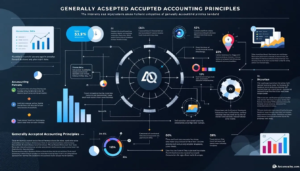
GAAP is paramount in ensuring the completeness, consistency, and comparability of financial statements. These principles are designed to provide accurate and transparent financial information, which is essential for stakeholders such as investors, creditors, and regulatory agencies. Adhering to GAAP bolsters an organization’s credibility and enables stakeholders to make informed decisions based on reliable data.
Historical financial crises significantly influenced GAAP’s evolution, highlighting the need for standardized and accurate financial reporting. This framework not only enhances comparability across companies but also builds trust in the financial markets by providing a dependable standard for financial reporting.
Moreover, GAAP compliance ensures that financial statements are prepared consistently across reporting periods, enhancing their utility for comparative analysis. This consistency is crucial for stakeholders who rely on these statements to assess the financial health and performance of organizations.
Understanding the key principles of US GAAP is essential for ensuring accurate financial reporting. The revenue recognition principle dictates that income should be recorded when it is earned, not necessarily when cash is received. This principle ensures that revenue is matched with the period it is generated, providing a more accurate financial picture.
Another critical principle is the matching principle, which requires that expenses be recorded in the same period as the revenues they help generate. This alignment ensures that financial statements reflect the true profitability of operations.
Additionally, the full disclosure principle mandates that all significant information must be included in financial reports, ensuring transparency for stakeholders. This is often achieved through detailed notes accompanying the financial statements, providing context and additional detail about the reported figures.
Compliance with US GAAP is mandatory for publicly traded companies in the US, ensuring a standardized approach to financial reporting. These companies must submit their financial statements to the Securities and Exchange Commission (SEC), adhering to GAAP to maintain their stock exchange listings. This requirement underscores the importance of following GAAP rules for transparency and accuracy in financial reporting.
However, despite these stringent rules, financial statements can still contain errors due to potential manipulation. The SEC has increased its scrutiny of non-GAAP measures to prevent misleading investors. GAAP compliance requires rigorous internal controls and regular audits to detect and correct discrepancies, maintaining the integrity of financial reporting.
Common pitfalls in GAAP compliance often revolve around revenue recognition and expense matching. Companies may fail to recognize revenue appropriately, leading to financial statements that misrepresent the company’s financial position. Avoiding these errors requires implementing clear policies and procedures for recording income, ensuring recognition in the correct accounting period.
Another prevalent issue is failing to match expenses with related revenues, which can distort profit assessments and cost evaluations. Regular training and updates for accounting staff on GAAP compliance and assistance significantly reduce the chances of errors.
Additionally, companies often overlook the full disclosure principle, resulting in insufficient information for stakeholders. Ensuring comprehensive disclosures and detailed notes in financial reports is vital for maintaining transparency and stakeholder trust.
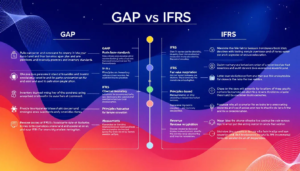
The differences between GAAP and IFRS are significant, impacting how financial statements are prepared and presented. One notable difference is in inventory valuation:
The allowance of LIFO under GAAP can lead to substantial differences in reported inventory values.
Another key difference lies in the treatment of inventory write-downs. IFRS allows the reversal of inventory write-downs if the market value increases, a practice not permitted under GAAP. Furthermore, while GAAP is generally rules-oriented, IFRS adopts a more principles-based approach, providing broader guidelines that require professional judgment.
Asset revaluation is another area where GAAP and IFRS diverge. Under IFRS, companies can revalue assets to fair value, whereas GAAP restricts this practice primarily to marketable securities. Understanding these differences is crucial for professionals dealing with international accounting standards, as they impact financial statement comparability and interpretation.
The Internal Revenue Service (IRS) plays a pivotal role in enforcing tax laws and ensuring compliance with federal tax regulations in the US. The IRS collects various forms of taxes, including income and estate taxes, and conducts audits to verify taxpayer compliance. These audits are either randomly selected or targeted at returns with discrepancies or unusual deductions.
In 2024, the IRS processed over 163 million individual tax returns, underscoring its central role in the accounting practices associated with income tax. The IRS’s enforcement activities and regulatory oversight significantly impact how accounting practices are conducted, ensuring that organizations adhere to tax laws and regulations.
Taxation in the US is a complex system that includes both federal and state taxes. Individuals face a maximum personal income tax rate of 37%, while capital gains are taxed at a maximum rate of 20%. The standard deduction amount for 2024 is $14,600 for single filers, $29,200 for married couples filing jointly, and individual tax rates for heads of households are $21,900.
Itemized deductions may include expenses such as charitable contributions, mortgage interest, and significant medical expenses that exceed 7.5% of adjusted gross income. Understanding these deductions is crucial for taxpayers to minimize their taxable income and reduce their overall tax burden.
Corporations face a federal income tax rate of 21%, with state corporate income taxes ranging from 1% to 12%. There is no inheritance tax in the US, but estates may be subject to a federal estate tax with a top rate of 40%. These rates and regulations highlight the importance of understanding the US taxation system for both individuals and organizations.
Tax deductions and credits are vital tools for reducing taxable income and the amount owed in taxes. In the US, individuals and corporations are taxed based on their net taxable income, which is calculated by applying a tax rate to the total income after allowable deductions for tax purposes. This system allows taxpayers to choose between taking a standard deduction or itemizing their deductions, depending on which method provides a greater tax benefit. Understanding tax law is essential for maximizing these benefits and to claim them effectively.
Various expenses, including alimony, business expenses, and certain educational costs, can be deducted from income, potentially lowering overall taxable income. Tax credits, on the other hand, directly reduce the amount owed in taxes, and certain credits are refundable, meaning they can result in a refund even if no taxes are owed.
Taxpayers must file annual tax returns by April 15th to reconcile the taxes owed with amounts already paid through payroll deductions or estimated payments. The US taxation system also allows for estimated tax payments for both corporate and personal income taxes, typically due on a quarterly basis.
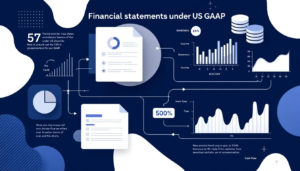
Financial statements are crucial for depicting a company’s financial health and performance. Under US GAAP, publicly traded companies must follow specific rules and file their financial statements regularly with the SEC. These statements include the balance sheet, income statement, and cash flow statement, each serving a unique purpose.
The balance sheet reflects a company’s financial position at a specific date in time, detailing financial assets, liabilities, and equity. The income statement, also known as the statement of earnings, provides a summary of revenues and expenses over a period, showing the entity’s profitability.
The cash flow statement provides insights into cash inflows and outflows from operating, investing, and financing activities during a specific period. Together, these statements provide a comprehensive view of a company’s financial status.

US GAAP plays a pivotal role in the investment landscape by ensuring that financial statements are consistently complete and comparable. This consistency aids investors in analyzing various companies and making informed financial decisions. By adhering to GAAP, companies provide a reliable basis for investors to evaluate their financial health and performance.
The transparency required by GAAP helps maintain investor trust in financial markets, which in turn reduces transaction costs and fosters a more stable investment environment. Investors rely on GAAP-compliant financial statements to compare financial data across companies within the same industry, facilitating better investment choices.
Financial statements that do not comply with GAAP can mislead investors, making it difficult to accurately compare the financial performance of different companies. This can lead to poor investment decisions and could potentially undermine trust in the financial markets. Therefore, GAAP compliance is essential for maintaining the integrity and reliability of financial information.
Non-GAAP measures are figures presented without adhering to GAAP guidelines, and they are typically identified specifically as non-GAAP. Companies often use these measures to capture specific operational nuances that are not reflected by GAAP, providing an alternative view of performance.
However, while non-GAAP measures can offer valuable insights, they also present risks. They can potentially mislead investors if not properly contextualized. Many companies report figures that deviate from GAAP, with 77% of S&P 500 companies reporting adjusted earnings and similar percentages using other non-GAAP metrics like adjusted EPS and EBITDA.
This prevalence underscores the need for careful interpretation by investors to avoid confusion and ensure a true understanding of businesses and access to obtain a company’s financial health through research to determine the best investment strategies.
The demand for accounting professionals in the US is projected to grow, providing numerous opportunities for Indian professionals to enter the field. Many firms in the US actively seek accounting professionals with international qualifications, particularly those from India, due to the diverse skills they bring. Key employers in the US accounting sector include major firms like Deloitte, KPMG, and EY, which often look for candidates who qualify with strong backgrounds in GAAP and IFRS.
Indian accountants can find roles in various sectors, including corporate finance, international taxation, and auditing, which are critical for business compliance. Networking and obtaining relevant certifications, such as the CPA, can significantly enhance career prospects. As the integration of international standards continues, professionals with knowledge of both GAAP and IFRS are particularly valuable.
Mastering US accounting principles is enhanced through various valuable resources, including eBooks, online courses, and professional organizations. The Oxford Home Study Centre offers a free Certificate in Accounting and Finance course that covers essential accounting concepts. LinkedIn Learning provides a free course on Accounting Ethics, focusing on professional accountability and internal controls. This course encourages learners to act with integrity in their accounting practices.
The Accounting Workflow Academy includes a course on Setting Up Accounting Processes to enhance workflow efficiency, and the University of Illinois offers a Managerial Accounting course that aids accountants in corporate financial decision-making. For those interested in forensic accounting, free courses on Forensic Accounting and Fraud Examination are available, equipping accountants with skills to detect fraud.
The University of Pennsylvania offers several accounting courses that provide a comprehensive foundation for anyone looking to excel in US accounting:
In conclusion, understanding US accounting and taxation is crucial for Indian professionals seeking to advance their careers in the US. The adherence to Generally Accepted Accounting Principles (GAAP) ensures the reliability and transparency of financial statements, which is fundamental for making informed business decisions. The growing influence of international standards like IFRS further emphasizes the need for a comprehensive understanding of these principles.
Career opportunities in the US are abundant for Indian professionals, particularly those with qualifications like the CPA and a strong grasp of GAAP and IFRS. The integration of technology and data analytics in accounting practices opens new avenues for growth and innovation. As you embark on your journey in US accounting and taxation, leverage the resources and opportunities available to build a successful and fulfilling career.
The main objectives of GAAP are to ensure the completeness, consistency, and comparability of financial statements, which in turn provides accurate and transparent financial information for stakeholders. This framework is essential for maintaining trust and integrity in financial reporting.
Obtaining a CPA designation greatly enhances career opportunities for Indian accountants in the US, facilitating access to high-level positions within prestigious firms and improving competitiveness in the job market. This credential is pivotal for career advancement and professional recognition.
Common pitfalls in GAAP compliance include errors in revenue recognition, improper matching of expenses with related revenues, and insufficient disclosure of significant information. To mitigate these risks, it is essential to implement clear policies and provide regular training for staff.
GAAP permits the Last In, First Out (LIFO) method for inventory valuation, whereas IFRS prohibits it, resulting in significant differences in reported inventory values. Both frameworks do allow FIFO and weighted-average methods, but the LIFO allowance under GAAP can skew financial comparisons.
A variety of resources are accessible for learning US accounting principles, including free courses from the Oxford Home Study Centre, LinkedIn Learning, and the University of Illinois. Specialized courses in areas such as forensic and managerial accounting are also available to further enhance your understanding.
Curious about becoming an Enrolled Agent (EA)? An enrolled agent course is your gateway to securing the highest IRS credential, empowering you to represent taxpayers in various tax matters. This article breaks down what you need to know about the EA credential, exam structure, and the best ways to prepare.
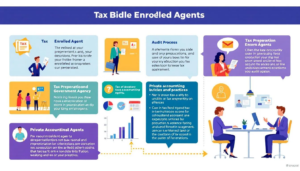
An Enrolled Agent (EA) is an elite tax professional authorized to represent taxpayers before the IRS in all tax matters. What sets EAs apart is their unlimited practice rights, meaning they can represent any taxpayer, for any tax matter, in any IRS office.
The EA credential is the highest credential awarded by the IRS, and it allows practitioners to act on behalf of taxpayers in federal tax matters. This federal licensing designation is recognized and respected, making EAs highly sought after in the field of taxation.
Whether you’re preparing tax returns or representing clients during audits, the EA credential equips you with the authority and expertise needed to excel.
One of the most significant advantages of becoming an Enrolled Agent is the unlimited practice rights it confers. This means EAs can represent any taxpayer, handle any tax matter, and operate in any IRS offices without restrictions.
Unlike other tax professionals who may have limitations on the types of clients they can represent, EAs enjoy a broad scope of practice, making them invaluable in law firms, tax representation firms, and other organizations that require comprehensive tax expertise.
The Enrolled Agent credential is a federal licensing designation recognized by the IRS, which allows EAs to represent taxpayers in various tax matters. To become an Enrolled Agent, candidates must pass a rigorous three-part IRS test or have experience as a former IRS employee.
This federal recognition ensures that EAs are well-versed in tax laws, compliance, and representation practices and procedures, making them highly effective in resolving outstanding tax liabilities and ensuring tax compliance.
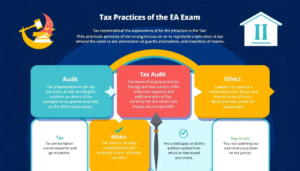
The EA Exam, also known as the IRS Special Enrollment Examination (SEE), is a comprehensive assessment designed to evaluate candidates’ ability to represent clients in tax matters before the IRS. This exam is crucial for anyone looking to obtain the EA credential, as it tests knowledge of federal tax laws, ethics, and procedures.
The EA exam consists of multiple-choice questions that cover a wide range of topics related to federal taxation and ethical practices. To qualify as an Enrolled Agent, candidates can either pass this three-part examination or have relevant former IRS employment experience. The EA exam is designed to ensure that only well-prepared and knowledgeable individuals can achieve EA status, making it a challenging but rewarding endeavor.
The EA exam is divided into three parts:
Each part focuses on different aspects of taxation, allowing candidates to develop a deep understanding of complex tax topics.
The Businesses section covers business taxation related to various business structures and practices, while the Procedures Representation, Practices, and Procedures part focuses on ethical practices and procedural rules governing tax representation. This structure ensures a comprehensive evaluation of a candidate’s knowledge and skills, preparing them for real-world tax matters.
Candidates must pay a fee of $259 for each part of the EA exam, totaling $777 for all three parts. Additionally, a non-refundable fee of $203 applies for scheduling each part of the exam, which is paid at the time of appointment.
Candidates can schedule their EA exams through Prometric’s online platform, which provides access to various testing locations, including major cities in India like Hyderabad and Delhi, and allows candidates to check their exam date.

It is important to invest time and effort in comprehensive EA study materials. Doing so will ensure that all parts of the EA exam are adequately covered. A well-rounded preparation includes guided and comprehensive resources such as:
These materials are indispensable for effective preliminary work and maximizing chances of success.
Quality EA courses provide over 250 hours of preparatory content, ensuring comprehensive exam readiness. Detailed study guides not only prepare candidates for exam success but also bridge the gap between theory and practice in tax law.
These guides should include up-to-date materials that reflect current tax laws and internal revenue service irs regulations, incorporating actual case studies to help students relate theoretical knowledge to practical situations in taxation.
Digital and interactive study materials are essential tools for candidates preparing for the EA exam. These resources, such as webinars and videos, create an engaging learning experience that enhances understanding and retention of complex topics.
Incorporating these tools into your study plan can significantly improve your preparation and confidence.
Mock tests simulate the actual exam environment, helping candidates acclimatize to the testing conditions. A robust EA course should include detailed notes, multiple mock tests, and about 1,000 to 1,500 practice questions to ensure thorough preparation.
These practice questions and mock exams are essential for mastering exam concepts and familiarizing oneself with the exam format.
TSelecting the right EA course is crucial for effective examination preparation. Candidates should prioritize courses that provide comprehensive coverage of the EA exam syllabus, ensuring that all essential topics are covered.
A thorough curriculum enhances the likelihood of mastering the exam topics and achieve a clear understanding to achieve passing scores.
A thorough study guide should include an overview of exam content, structure, and candidate preparation strategies. Quality course content is crucial for thorough preparation for the EA exam, ensuring that all essential topics are covered.
Well-structured study guides enhance a candidate’s ability to understand and retain information, increasing their chances of exam success.
Expert instructors offer guidance and mentorship, helping students navigate complex tax topics effectively. Learning from experienced instructors who are industry veterans or former IRS employees is crucial for success in the EA exam.
Their past technical experience and professional certification ensure that candidates receive the best possible expert training.
Placement assistance is a critical support service that helps Enrolled Agent course students find job opportunities after certification. The course offers a 3-day offline placement grooming programme to prepare students for job placements.
Twenty-One Training and Study Solutions (TWSS) provides placement assistance for eligible candidates to maximize their job search success. The placement program has successfully facilitated over 4,500 placements, showcasing its effectiveness in connecting students with job opportunities.

Indian students can significantly enhance their career prospects in taxation by pursuing the enrolled agent certification, which is recognized globally. Becoming an enrolled agent allows Indian professionals to represent taxpayers before the internal revenue service, opening up significant job opportunities both domestically and internationally.
The EA certification equips Indian students with comprehensive knowledge of U.S. tax laws, making them valuable assets in multinational firms. With this certification, Indian students can differentiate themselves in the competitive finance job market, especially in roles related to tax consultancy. The global recognition of the EA credential ensures that Indian EAs are in high demand across various sectors, including corporate finance, small business consulting, and tax advisory services.
Furthermore, Indian students with EA certification can pursue careers in diverse environments such as government agencies, private corporations, and non-profit organizations. This flexibility and wide range of career paths make the EA certification an attractive option for those looking to build a successful and rewarding career in taxation.
Individuals must follow these steps to become an Enrolled Agent (EA):
After passing the exam requirement, candidates must submit an application for enrollment and pay a fee of $140. A suitability check is conducted as part of the enrollment process to ensure tax compliance and review any criminal background.
Enrolled Agents must complete 72 hours of continuing education every three years to maintain their credential. The Special Enrollment Examination is not offered during the months of March and April due to updates in tax law.
Instructors with extensive practical experience enhance the learning process by providing real-world insights. Practical learning techniques are crucial for enhancing knowledge retention and application in real-world scenarios.
Incorporating practical and real-life examples ensures that students can relate theoretical knowledge to practical situations, making abstract concepts more tangible and relatable.
Real-life examples serve as a practical tool for understanding complex tax laws, making abstract concepts more tangible and relatable. Incorporating real-life scenarios into learning helps students grasp intricate tax situations they may encounter in their careers.
Skill-based training provided by experienced professionals includes examples from real cases, reinforcing students’ understanding and preparation for the exam.
Skill-based training prepares students by teaching core practical skills necessary for job readiness. The training is conducted by ex-industry veterans with decades of experience, ensuring relevance to current job requirements.
Skill assessments during training sessions help identify individual strengths and areas for improvement.
Candidates should assess course recognition and reviews from former students when selecting an EA program. Online learning platforms and tools, such as Learning Management Systems (LMS) and mobile apps, offer flexible and on-demand learning experiences.
These platforms provide hands-on workshops and skill-based training, often including hands-on projects that mirror real-world tax situations.
Miles offers a robust LMS platform along with McGraw-Hill textbooks as part of their exam preparation resources. The LMS can be accessed from any computer and mobile apps for Android and iOS, ensuring convenient learning anywhere.
Learning Management Systems (LMS) are essential for providing flexible and on-demand learning experiences, making it easier for candidates to study at their own pace and schedule.
Mobile applications fundamentally change the way candidates prepare for the EA exam, providing the tools necessary to study effectively. Mobile apps designed for EA exam preparation enable users to study anytime, anywhere, enhancing flexibility in learning.
With mobile apps, candidates can access study materials, practice tests, and other resources on-the-go, ensuring they can make the most of their preparation time during the test window.
Maintaining your EA certification requires completing 72 hours of continuing education every three years, including at least 6 hours focused on ethics. This requirement ensures that Enrolled Agents stay updated on the latest tax laws and best practices, maintaining their professional certification and EA credential.
Enrolled agents must complete continuing education to maintain their certification and stay updated on tax laws. The requirements are:
The renewal of your EA status occurs every three years and should be completed by the end of the cycle.
The renewal process requires submitting Form 8554 and can be completed online or via paper, depending on preference. This process involves submitting Form 8554 either online or by mail, along with the necessary fees.
The renewal process is crucial for maintaining active Enrolled Agent status and ensuring continued practice rights.
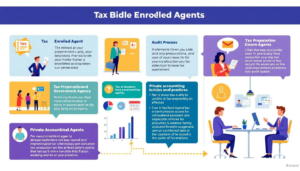
Enrolled Agents can pursue careers in various sectors, including public accounting, small businesses, and government agencies. They can work in diverse fields such as corporate finance, small business consulting, and tax advisory services, enhancing their career prospects. The flexibility and wide range of career paths available make the EA credential highly valuable.
EAs can work in diverse environments such as government agencies, private corporations, and non-profit organizations. With the EA credential, professionals can find job opportunities in corporate accounting departments, tax representation firms, and even start their own independent practice. This broad scope ensures that EAs have numerous placement opportunities and can build a successful career in taxation.
In corporate accounting, EAs are valuable for their ability to ensure compliance with tax regulations and assist with financial reporting. They typically handle compliance, reporting, and tax planning, making them essential in ensuring financial accuracy and legal adherence.
EAs in corporate settings often help manage tax compliance and financial reporting, providing vital support to businesses.
Tax representation firms require EAs to manage client representation in IRS matters, providing essential support during audits. These firms commonly hire EAs to assist clients with audits and disputes, leveraging their specialized tax knowledge.
Tax representation firms value EAs for their expertise in navigating complex tax regulations and representing clients in audits and disputes. Tax pros play a crucial role in this process.
Starting an independent practice as a tax professional allows EAs:
This independence offers greater flexibility in their work.
Establishing an independent practice allows EAs to tailor their services and client base according to their interests and expertise.
In India, Enrolled Agents (EAs) can expect the following salary ranges based on experience:
In the U.S., Enrolled Agents (EAs) typically earn the following annual salaries:
In regions like the Middle East and Europe, salaries for EAs vary from $40,000 to $90,000 per year, influenced by local demand for tax services.
In summary, becoming an Enrolled Agent offers significant career opportunities and the ability to represent taxpayers before the IRS. By understanding the EA credential, preparing effectively for the EA exam, and choosing the right course, you can set yourself up for success. The journey to becoming an EA is challenging, but with dedication and the right resources, you can achieve this prestigious credential and enjoy a rewarding career in taxation.
Embrace the challenge, invest in your education, and watch your career soar as an Enrolled Agent.
An Enrolled Agent (EA) is a tax professional who can represent you before the IRS in all tax matters, making them one of the top experts you can turn to for handling complex tax issues. They hold the highest credential awarded by the IRS, ensuring you get knowledgeable assistance.
Unlimited practice rights give EAs the freedom to represent any taxpayer and handle all tax matters without restrictions, making them a key asset in organizations needing extensive tax knowledge. This flexibility enhances their value and effectiveness in the field.
The EA exam has three parts: Individuals, Businesses, and Representation, Practices, and Procedures, each covering key taxation topics to thoroughly assess your expertise. So, it’s important to prepare for each section to succeed!
To keep your EA certification active, you need to complete 72 hours of continuing education every three years, with at least 6 hours dedicated to ethics. Staying updated on tax laws is crucial for your practice!
Enrolled Agents have strong career prospects both in India and abroad, with salaries ranging from ₹3,50,000 to ₹6,00,000 in India and $50,000 to $60,000 in the U.S. as entry-level professionals, increasing with experience. It’s a promising field with diverse opportunities in accounting and tax representation.

323, Devpath Complex, B/h Lal Bungalow, Off C.G.Road, Navrangpura, Ahmedabad